
TL;DR
Key Takeaways
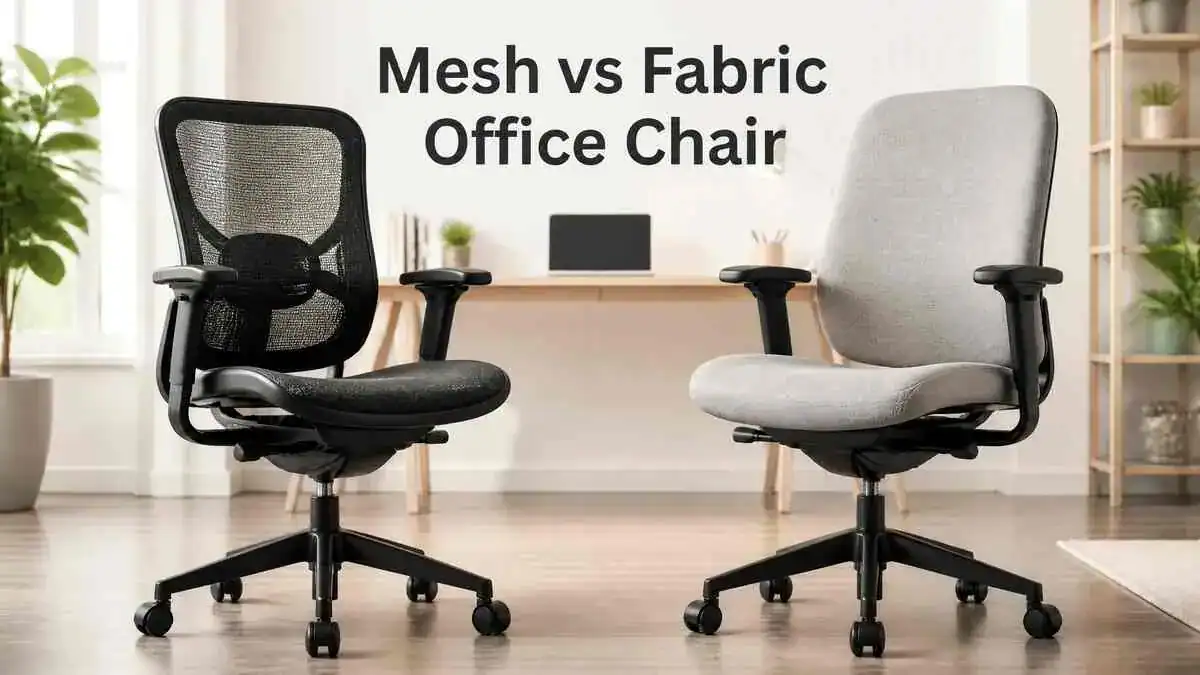
- In a mesh vs fabric office chair comparison, mesh usually allows more airflow, while fabric over foam often feels softer at first.
- A mesh office chair may have a mesh backrest, a mesh seat, or both. Some chairs combine a mesh backrest with a padded fabric seat.
- Sitting comfort depends on mesh tension, foam quality, frame shape, and how well the chair fits the body.
- Neither mesh nor fabric guarantees better posture, lumbar support, or relief from back pain.
- Both materials can wear over time. Mesh may stretch or sag, while foam cushioning may flatten or lose support.
- The better choice depends on room temperature, pressure comfort, chair fit, and everyday desk tasks.
Quick Answer
In a mesh vs fabric office chair comparison, neither material is better for everyone. Mesh usually allows more airflow, making it appealing in warm rooms. Fabric over foam often feels softer and more cushioned. However, the better choice depends on seat comfort, body fit, lumbar support, and adjustability. Neither material alone guarantees better posture or lasting comfort.
Table of Contents
When to Worry
Mild discomfort while sitting may relate to seat pressure, warmth, or sitting habits. However, persistent pain or unusual symptoms should not be blamed on mesh or fabric alone.
Mild Discomfort to Monitor
Mild discomfort may be reasonable to monitor when it improves after changing position or leaving the chair.
Common signs include:
- Temporary warmth or sweating around the back or thighs.
- Mild pressure where the body touches the seat.
- Brief stiffness after sitting for a long time.
- Discomfort that eases after standing, walking, or changing position.
If discomfort keeps returning, chair fit and sitting habits may need attention.
Signs That Need Medical Evaluation
Some symptoms may point to a problem beyond normal chair discomfort.
A healthcare professional should evaluate:
- Pain that persists, worsens, or keeps returning.
- Repeated numbness, tingling, or pain spreading into an arm or leg.
- Weakness, clumsiness, or difficulty with normal movement.
- Symptoms that interfere with work, sleep, walking, or daily activities.
These symptoms should not be dismissed as a simple chair comfort issue.
Signs That Need Urgent Medical Attention
Certain warning signs require immediate medical attention, regardless of the chair being used.
These include:
- New difficulty controlling or passing urine or stool.
- Numbness around the groin, genitals, buttocks, or inner thighs (saddle area).
- Sudden or rapidly worsening weakness, major balance changes, or difficulty walking.
- Severe back or neck symptoms after a serious fall, crash, or other major injury.
- Severe symptoms with fever, feeling very unwell, or sudden neurological changes.
These signs may indicate a serious medical problem and should not be managed through chair adjustments alone.
Symptoms / Signs
When comparing mesh and fabric office chairs, certain comfort problems may become noticeable during everyday desk work. Warmth, pressure, changes in sitting position, and visible material wear can offer clues about how a chair feels during use.
Heat and Sweating While Sitting
A chair may feel comfortable at first but become warm or damp during longer sitting sessions. This can happen around the backrest, seat, or both.
Common signs include:
- Warmth or sweating where the back touches the chair.
- Damp clothing around the thighs or buttocks.
- Discomfort that becomes more noticeable during long desk sessions.
- Frequent shifting or leaning away from a warm backrest.
These patterns may become more noticeable in warm or humid rooms.
Pressure Around the Thighs and Hips
Both mesh and fabric seats can create uncomfortable pressure. The feeling may differ depending on the seat surface and where the body makes contact.
Common signs include:
- Firm mesh pressing against the thighs or buttocks.
- A hard seat frame touching the outer thighs or hips.
- Pressure beneath the sitting bones after prolonged sitting.
- Fabric cushioning that feels uneven or compressed.
- Discomfort that gradually increases while sitting.
A chair may feel fine during a short sitting period but become less comfortable as time passes.
Changes in Sitting Position
An uncomfortable seat may change how a person sits. These changes can happen without the person noticing them right away.
Common signs include:
- Sliding forward instead of sitting against the backrest.
- Perching near the front edge of the seat.
- Leaning forward or avoiding backrest contact.
- Sinking too deeply into soft seat cushioning.
- Repeatedly shifting to escape pressure around the hips or thighs.
Changing position is normal. However, repeatedly moving to avoid the same uncomfortable spot may suggest a chair comfort or fit problem.
Signs of Material Wear
Mesh and fabric chairs may feel different as their materials age. Visible changes can appear alongside a loss of sitting comfort.
Common signs include:
- Mesh that visibly sags or hangs lower than before.
- A mesh seat that feels loose, uneven, or hammock-like.
- Foam cushioning that feels flat or compressed.
- A padded seat that bottoms out, making the firm base noticeable.
- A seat surface that no longer supports the hips and thighs evenly.
These signs can help identify changes in material condition without assuming that every discomfort comes from the chair.
Signs a Chair May Not Fit
- Pressure around the thighs, hips, or sitting bones.
- Repeated sliding forward or avoiding the backrest.
- Excessive sinking into a soft seat.
- Firm contact with the seat frame.
- Difficulty sitting comfortably against the backrest.
Causes — Why Mesh vs Fabric Office Chair Comfort Differs
The main differences between mesh and fabric office chairs come from how each chair is built. Mesh usually uses a stretched surface for support, while fabric chairs often have upholstery over foam padding.
These construction differences affect airflow, seat firmness, pressure, durability, and everyday comfort. However, the complete chair design matters more than the material label alone.
Mesh and Fabric Chair Construction
A mesh office chair usually uses open-weave material stretched across a frame. The mesh stays under tension and flexes as the body presses against it.
A fabric office chair typically has woven upholstery covering foam padding. The foam provides cushioning, while the fabric forms the outer surface.
Mesh chairs also come in different designs:
- Mesh-back chair: Uses mesh on the backrest but may have a padded fabric seat.
- Full-mesh chair: Uses tensioned mesh on both the seat and backrest.
- Hybrid chair: Combines mesh and padded surfaces in different parts of the chair.
This explains why two chairs labeled as mesh can feel very different. One may have a firm mesh seat, while another offers a soft, padded seat beneath a similar backrest. The seat and backrest materials should therefore be considered separately.
Airflow and Heat Retention
Mesh usually allows more air to move through the chair surface. Its open weave can help reduce heat and moisture buildup where the body touches the material.
Fabric upholstery may also allow some airflow. However, foam beneath the fabric can hold more warmth, especially during long sitting sessions.
Room conditions also affect how warm a chair feels:
- Warm or humid rooms: Heat and moisture may become more noticeable during prolonged sitting.
- Clothing: Thick clothing can reduce airflow between the body and chair.
- Room ventilation: Fans and air conditioning can change how warm either surface feels.
- Sitting duration: Longer contact with the seat or backrest may increase warmth.
A mesh chair is not always cool, and a fabric chair is not always hot. Mesh weave, padding, room conditions, and overall construction all affect thermal comfort.
Seat Firmness and Cushioning
Mesh and fabric seats often feel different because they support body weight in different ways.
A tensioned mesh seat has a spring-like feel. It stretches under weight and responds to movement. Depending on its tension, the surface may feel firm or flexible.
A fabric-upholstered seat usually relies on foam cushioning. The foam compresses under body weight, often creating a softer feeling when someone first sits down.
However, foam comfort depends on several factors:
- Foam density: Affects how the cushioning responds to pressure and repeated use.
- Foam thickness: Influences how much padding sits between the body and seat base.
- Seat contour: Affects how the cushioning follows the hips and thighs.
- Foam condition: Influences how evenly the seat supports weight over time.
A soft seat may feel pleasant at first but allow too much sinking during longer sitting periods. This can make small position changes harder.
A firmer seat is not automatically better either. Comfort depends on how the surface supports the body without creating unwanted pressure.
Initial softness does not guarantee lasting comfort or good ergonomic support.
Pressure Distribution and Seat Edges
Seat pressure depends on how body weight spreads across the sitting surface. The sitting bones, buttocks, and thighs carry much of this contact pressure.
Mesh and fabric seats may distribute pressure differently depending on their construction.
In a mesh seat, tension controls how far the surface stretches. If the mesh feels too tight or the seat frame sits close to the body, pressure may build around the thighs or hips.
A rigid perimeter can also create uncomfortable contact, especially when the seat is too narrow or its shape does not match the body.
In a fabric seat, foam compresses beneath the body. Suitable cushioning may spread pressure comfortably, but uneven or overly soft foam can allow some areas to sink more than others.
The seat edge also matters. A firm edge may press against the thighs, while a rounded, padded edge may feel gentler.
Seat width, depth, contour, and body size all affect these pressure patterns. Neither mesh nor fabric guarantees better pressure distribution on its own.
Material Durability and Wear
Both mesh and fabric office chairs can lose comfort as their materials age. However, they tend to wear in different ways.
Mesh wear: Repeated loading may stretch the material or reduce its tension. Over time, the seat or backrest may sag and provide less even support.
Fabric and foam wear: Foam cushioning may flatten, compress unevenly, or lose its original shape. The outer fabric may also show rubbing, fading, or surface damage.
Material quality plays an important role in how quickly these changes appear. A well-made mesh chair may keep its tension longer than a poorly made one. Similarly, durable foam and strong upholstery may maintain their shape better than lower-quality padding.
For both materials, construction quality, daily use, and maintenance matter more than the material label alone.
Cleaning and Maintenance
Mesh and fabric office chairs differ in how they collect dirt and respond to spills.
Mesh has small openings that allow airflow. However, dust, crumbs, and other debris can collect inside the weave, making some areas harder to clean.
Fabric upholstery has a different concern. Spills may soak into the surface and reach the foam beneath it. This can make stains and trapped moisture harder to remove.
Cleaning needs vary by material:
- Mesh: Dust and crumbs may require careful vacuuming or gentle cleaning.
- Fabric upholstery: Spills and stains may need suitable upholstery cleaning methods.
- Foam padding: Moisture that reaches the foam may take longer to dry.
Some fabrics have protective finishes, while certain mesh materials need special care.
Manufacturer cleaning instructions should guide maintenance because not all mesh or fabric surfaces tolerate the same products or methods.
Appearance and Surface Texture
Mesh office chairs often have an open, modern appearance. Their visible weave can give the backrest a light, less bulky look.
Fabric office chairs usually offer more choices in colors, patterns, and surface textures. Some fabrics feel smooth, while others have a more noticeable woven texture.
Surface feel can affect personal comfort, especially where clothing or skin touches the chair.
However, appearance does not show how well a chair supports the body. A modern mesh design is not automatically more ergonomic, and a thick fabric seat is not necessarily more comfortable.
Material appearance comes down to personal preference. Chair fit, construction, and support remain separate considerations.
What It May Indicate
A mesh vs fabric office chair comparison can reveal which material features matter most for everyday comfort. Airflow, cushioning, pressure, and chair fit can all influence how a person feels while sitting.
These differences do not make one material better for everyone. They help explain why a chair may suit one person’s needs but feel uncomfortable to another.
Mesh vs Fabric Office Chair at a Glance
The table below compares the main differences between mesh and fabric office chairs and what each difference may mean for sitting comfort.
| Factor | Mesh Office Chair | Fabric Office Chair | What Matters |
| Construction | Open-weave mesh stretched across a frame | Fabric upholstery, usually over foam padding | Whether the seat, backrest, or both use each material |
| Airflow | Usually allows more air circulation | Foam padding may hold more warmth | Room temperature, humidity, and sitting duration |
| Seat feel | Often firm, flexible, or spring-like | Often softer and more cushioned at first | Mesh tension, foam quality, and personal comfort |
| Pressure | Tension or rigid frame edges may create pressure points | Foam may spread pressure but can compress unevenly | Seat shape, body fit, and thigh support |
| Durability | Mesh may stretch, loosen, or sag over time | Foam may flatten, while upholstery may wear | Material quality, construction, and daily use |
| Cleaning | Dust and crumbs may collect in the mesh weave | Spills and stains may soak into upholstery | Cleaning needs and manufacturer care instructions |
| Typical preference | May appeal to people who prefer airflow and a firmer feel | May appeal to people who prefer cushioning and a softer feel | Individual comfort needs and working conditions |
Neither material guarantees better support. The chair’s construction and fit remain important parts of the comparison.
What Different Comfort Patterns May Mean
Certain sitting patterns may help explain why one chair feels more comfortable than another.
Heat or sweating during sitting may suggest that airflow is an important comfort factor. A breathable backrest or seat may feel more suitable in a warm room, although clothing and room conditions also affect warmth.
Pressure around the outer thighs may point to contact with a firm seat frame or a seat that does not fit the body well. This is not always a problem with mesh itself.
Excessive sinking into a padded seat may reflect soft cushioning, uneven foam support, or foam that has lost its shape. A seat can feel soft without supporting weight evenly.
Avoiding the backrest or sliding forward may suggest that the chair’s shape, seat dimensions, or backrest fit is uncomfortable. Changing the upholstery material alone may not address the cause.
These patterns offer clues about comfort and fit. They do not identify a medical condition or prove that a particular material causes pain.
What Material Choice Means for Posture
Neither mesh nor fabric automatically creates better posture or correct spinal alignment. The material affects how the chair feels, but it does not determine how well the entire chair supports the body.
Lumbar support, seat height, seat depth, and backrest adjustability also influence seated support. A chair may have breathable mesh or soft fabric yet still feel uncomfortable if its dimensions do not suit the person using it.
Comfortable sitting also allows natural movement. A person does not need to hold one fixed posture throughout the workday, regardless of the chair material.
A chair that feels more comfortable may make everyday sitting more pleasant. However, greater comfort does not prove that the chair prevents back pain, improves spinal health, or provides a medical benefit.
What to Do
Choosing between a mesh vs fabric office chair starts with understanding which material feels better during normal desk work. The best choice depends on seat comfort, backrest feel, room conditions, and how the chair fits the body.
A useful comparison looks beyond the material label and focuses on how the chair performs during everyday sitting.
Compare the Seat and Backrest Separately
A chair may have a mesh backrest, a mesh seat, or both. Some designs combine a breathable mesh backrest with a padded fabric seat.
Each surface serves a different comfort need. The backrest affects how the back feels against the chair, while the seat carries much of the body’s weight.
When comparing materials:
- Check the backrest: Identify whether it uses mesh, fabric, or padding.
- Check the seat: Notice whether the sitting surface uses tensioned mesh or foam cushioning.
- Compare both surfaces: A breathable backrest does not mean the seat will have the same feel.
- Consider mixed materials: A hybrid chair may suit someone who prefers backrest airflow and seat cushioning.
A chair should not be judged by its backrest material alone. The seat may make a bigger difference to pressure comfort during longer sitting periods.
Test Comfort During Normal Work
A short sitting test may show how a chair feels at first, but it cannot reveal every comfort issue that may appear during a workday.
When possible, a longer trial with familiar desk tasks gives a clearer picture.
A practical comfort test includes:
- Sit normally: Notice the first impression of seat firmness, cushioning, and backrest contact.
- Type and use the mouse: Check whether the chair remains comfortable during regular desk tasks.
- Lean back and reach: Notice how the seat and backrest feel as the body moves.
- Change sitting positions: Check for slipping, unwanted sinking, or pressure around the thighs.
- Stay seated for a longer period: Notice whether warmth, sweating, or pressure becomes more noticeable.
Normal position changes are expected. The concern is repeated discomfort that makes someone avoid a particular part of the chair.
A brief showroom test can be useful, but it should not be treated as proof of all-day comfort.
Match the Material to the Sitting Environment
Room conditions can influence whether mesh or fabric feels more comfortable.
Warm or humid rooms: A mesh surface may appeal to someone who becomes uncomfortable from heat or sweating. Airflow can matter more when a room has limited cooling.
Cooler rooms: A padded fabric surface may appeal to someone who prefers a softer contact feel. However, fabric does not automatically provide more warmth or comfort in every chair.
Long desk sessions: Either material should allow comfortable position changes. A chair that feels pleasant at first may feel different after extended sitting.
Shared offices: Cleaning needs may matter when several people use the same chair. Mesh can collect dust and crumbs, while fabric may be more difficult to clean after spills.
The sitting environment helps narrow the material choice, but it does not replace personal comfort and fit.
Which Material May Suit Different Needs?
| Sitting Need | Possible Starting Point | What to Check |
| Warm or humid room | Mesh | Whether airflow improves comfort |
| Preference for a softer seat | Padded fabric | Cushioning and pressure comfort |
| Breathable backrest with a padded seat | Hybrid chair | Comfort of both surfaces |
| Long desk sessions | Either material | Comfort over time and freedom to move |
| Shared workspace | Either material | Cleaning needs and material care |
| Frequent thigh pressure | Either material | Seat fit and frame contact |
These are starting points, not fixed rules. Actual comfort depends on the chair’s design and individual fit.
Decide Which Trade-Off Matters Most
The final choice depends on which comfort concerns matter most during everyday work.
A person who often feels too warm may value airflow. Someone who dislikes firm seat contact may prefer cushioning. Others may find that a combination of materials suits their needs. Beyond material choice, understanding how to choose an office chair can help readers compare overall fit, adjustments, and support features.
Chair Material Comparison Checklist
- Identify the materials: Check whether the seat and backrest use mesh, fabric, or a combination.
- Compare sitting comfort: Notice cushioning, firmness, pressure, and airflow.
- Check overall fit: Make sure the seat and backrest suit the body.
- Consider material quality: Look for stable construction and signs of uneven support.
- Review trial options: Check whether the chair can be tested long enough to judge comfort.
Trial periods and return policies vary. A limited trial may leave uncertainty about comfort during longer work sessions.
Neither mesh nor fabric guarantees better posture or prevents back pain. The better choice is a chair that fits well, feels comfortable during normal use, and offers the material features that matter most to the person using it.
Ergonomic & Support Options
In a mesh vs fabric office chair comparison, material choice is only one part of sitting comfort. Seat fit, backrest support, and basic workstation adjustments also affect how the chair feels during everyday work.
These features can help explain why a breathable mesh chair or a cushioned fabric chair may still feel uncomfortable when the overall setup does not fit the person using it.
Mesh and Fabric Support Options
- Hybrid construction: Combines a breathable mesh backrest with a padded seat.
- Seat fit: Helps limit unwanted pressure from poor seat dimensions or frame contact.
- Lumbar support: Provides comfortable lower-back contact when properly fitted.
- Additional cushions: May change seat height, usable depth, and backrest contact.
Mesh-Back and Padded-Seat Chairs
A hybrid office chair combines different materials to meet different comfort needs. A common design uses a mesh backrest with a foam-padded fabric seat.
This combination may offer two benefits:
- Mesh backrest: Allows airflow around the back during sitting.
- Padded fabric seat: Provides cushioning beneath the hips and thighs.
A hybrid chair may suit someone who prefers a cooler backrest but finds a firm mesh seat uncomfortable.
However, mixed materials do not guarantee a better fit. Seat dimensions, backrest shape, and support still matter, regardless of how the chair combines mesh and fabric.
Seat Fit and Pressure Support
A chair’s seat dimensions can affect comfort as much as its material. Even a soft fabric seat or flexible mesh surface may create pressure when the seat does not fit the body.
A few basic checks can help identify possible fit problems:
- Seat height: The feet should rest comfortably on the floor or a stable footrest.
- Seat depth: The seat should support the thighs without pressing firmly behind the knees.
- Seat width: The hips and thighs should have enough room without rubbing against hard seat edges.
- Frame contact: A mesh seat’s rigid perimeter should not create uncomfortable pressure around the legs or hips.
These checks help separate material comfort from chair fit. A pressure problem may come from seat dimensions rather than mesh tension or foam cushioning alone.
Lumbar Support and Backrest Fit
The position of lumbar support and the type of upholstery affect different parts of chair comfort. Mesh or fabric forms the chair’s contact surface, while the backrest shape and support features influence how it supports the lower back.
A suitable backrest should allow comfortable lower-back contact without creating excessive pressure.
Important features include:
- Support shape: The backrest should follow the body’s natural lower-back curve comfortably.
- Support firmness: Contact should feel supportive rather than unusually hard or intrusive.
- Adjustability: Available backrest or lumbar adjustments may help accommodate different body sizes.
A mesh backrest is not automatically better for posture, and a padded fabric backrest does not guarantee lumbar comfort. The quality and fit of the support matter more than the upholstery type alone.
Cushions and Additional Support
Some chairs may allow small support changes without replacing the entire chair. A temporary lumbar roll may help fill a gap between the lower back and backrest when appropriate. However, extra support should not create uncomfortable pressure or force the body into an awkward position.
Seat cushions require more care because they change how a person sits in the chair.
A thick cushion may:
- Raise the sitting height.
- Change how much of the seat depth remains usable.
- Alter thigh support and contact with the backrest.
These changes may affect the original chair fit. Adding cushioning does not automatically make a mesh or fabric chair more ergonomic.
Workstation Fit and Movement
A comfortable chair also needs to work with the desk and nearby equipment. Even a well-fitting seat may feel awkward if the workstation encourages reaching or unsupported sitting.
Basic relationships to consider include:
- Desk height: The chair should allow comfortable arm and hand positions during desk work.
- Keyboard and mouse: Both should be within easy reach without repeated forward leaning.
- Monitor position: The screen should allow a comfortable head and neck position.
- Foot support: The feet should rest on the floor or a stable footrest when needed.
Regular position changes and short movement breaks also matter. Neither mesh nor fabric removes the need to move during long desk sessions. The goal is a chair and workstation that work comfortably together, not a material that promises perfect posture.
FAQ
Which Is Better for an Office Chair, Mesh or Fabric?
Neither material is better for everyone. Mesh usually offers more airflow, while fabric over foam often provides a softer sitting surface. The better choice depends on chair fit, room temperature, and personal comfort.
Are Mesh Chairs Better Than Fabric Chairs?
Mesh chairs may be better for people who prefer a breathable backrest or a firmer sitting surface. Fabric chairs may suit those who prefer more cushioning. However, construction quality and chair design matter more than the material label alone.
Are Mesh Office Chairs Comfortable?
Yes, mesh office chairs can be comfortable when the seat and backrest fit the body well. Comfort depends on mesh tension, frame shape, and support. Some people enjoy the flexible feel, while others may notice firm contact around the thighs or hips.
What Are the Disadvantages of Using a Mesh Chair?
Common mesh chair disadvantages include a firmer seat feel, possible pressure from rigid frame edges, and mesh that may stretch or sag over time. Dust and crumbs can also collect in the weave. These issues vary by chair design and quality.
Are Mesh Chairs Durable?
Yes, well-made mesh chairs can be durable. However, repeated use may gradually reduce mesh tension or cause sagging. Durability depends on material quality, frame construction, daily use, and proper care.
Are Mesh Chairs Better for Your Back?
Mesh chairs are not automatically better for the back. Breathable material may improve comfort, but lumbar support, seat fit, and adjustability play separate roles. Neither mesh nor fabric guarantees better posture or relief from back pain.
What Is the Best Material for an Office Chair?
The best office chair material depends on sitting needs and the work environment. Mesh may suit warm rooms and airflow preferences, while fabric may suit people who prefer padded comfort. A hybrid design can offer both features.
Are Mesh Chairs Worth It?
Mesh chairs may be worth considering when breathability and a flexible sitting surface are important. Their value depends on comfort, construction quality, durability, and price. A well-fitting fabric chair may be just as suitable for everyday desk work.
Sources & References
This mesh vs fabric office chair comparison draws on workplace ergonomics guidance, research on chair pressure and support, and medical guidance for warning signs. These sources help explain material differences without treating either chair type as a proven way to prevent or treat back pain.
- Cornell University Ergonomics — Choosing an Ergonomic Chair
- OSHA — Computer Workstations: Chairs
- CCOHS — Office Ergonomics: Ergonomic Chair
- CCOHS — Working in a Sitting Position: Work Chairs
- The Effect of Chair Designs on Sitting Pressure Distribution and Tissue Perfusion
- Definition and Validation of a Comfort Index Calculation Method for Office Seats
- CCOHS — Office Ergonomics: How to Adjust Office Chairs
- The Effectiveness of a Chair Intervention in the Workplace to Reduce Musculoskeletal Symptoms: A Systematic Review
- NHS — Back Pain
Evidence limitations: Chair-pressure studies often examine small groups and specific chair designs. Ergonomic-intervention studies also vary in methods, chair features, and outcomes. Their findings cannot establish that all mesh chairs provide better pressure distribution, posture, or pain relief than fabric chairs.
Soft CTA
A mesh vs fabric office chair comparison is a helpful starting point, but comfort also depends on how the chair fits and supports the body. These related guides offer a closer look at the features that matter.
- How to Choose an Office Chair — A helpful guide to comparing chair fit, adjustments, and practical features for everyday desk work.
- Office Chair Seat Depth — Learn how seat depth affects thigh support, pressure behind the knees, and overall sitting comfort.
- What Is an Ergonomic Chair? — Explore how chair design and support features work together beyond mesh or fabric materials.
Update Note
Last reviewed: October 15, 2026
This mesh vs fabric office chair guide was reviewed for accuracy, including material comparisons, ergonomic guidance, and cited research. The information is checked to keep the article clear, balanced, and useful.